
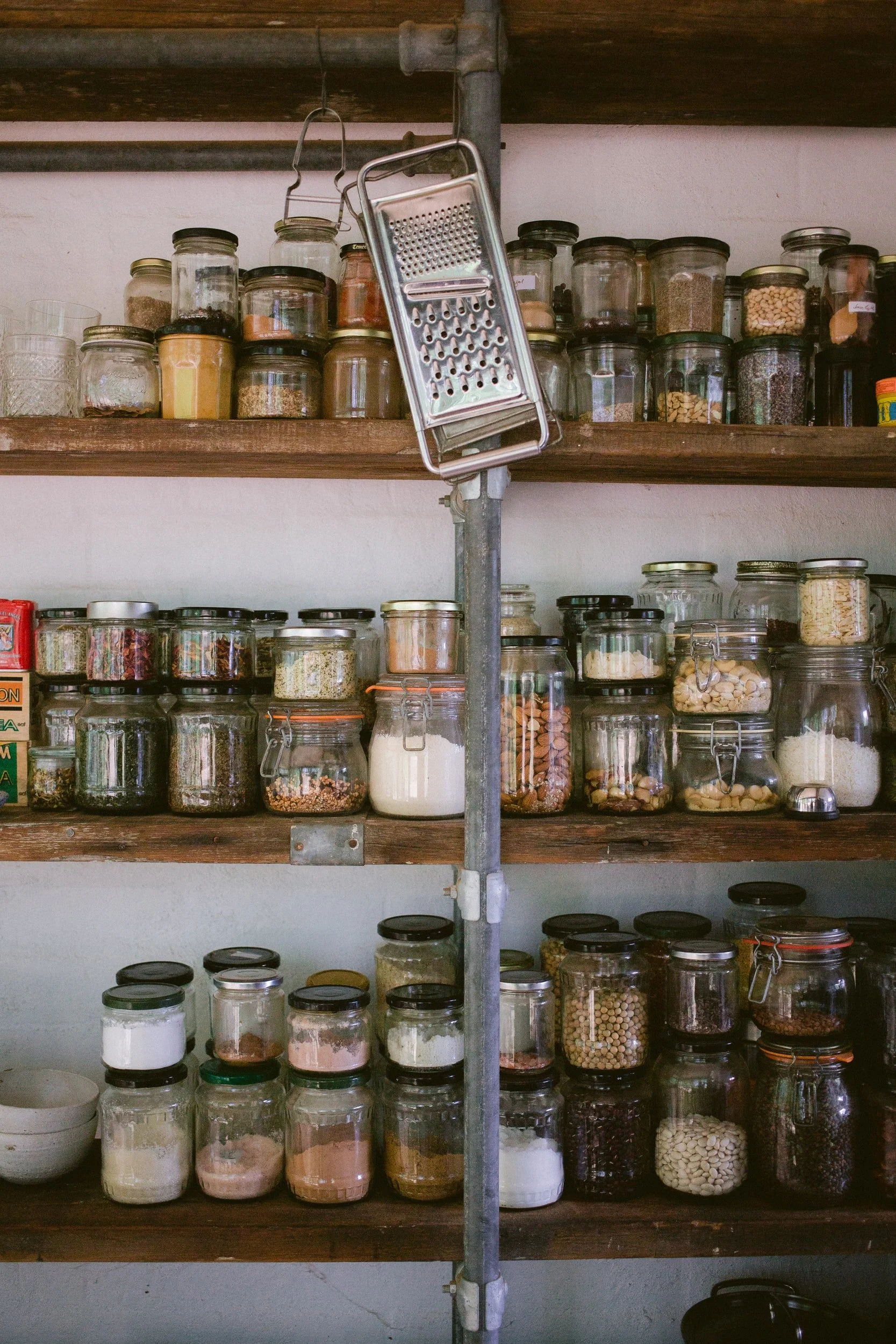
Pantry Items: Make Your Own Peanut Butter
I think it’s pretty clear that all peanut butter is not created equal. Most conventional peanut butters are made using hydrogenated oils and other ingredients that have been genetically engineered.
Learn to make your own peanut butter with limited ingredients!
Over the past few years, we’ve been trying to buy in bulk as much as possible and make our own items. By making our own items such as oat milk, peanut butter, aioli, we can control what’s in the product, leaving you with the cleanest ingredients. I know we don’t all have the luxury of making all items from scratch all the time, but you can start small. Once you start, you’ll feel empowered to keep going. Before you know it, two years will have passed and you’ll be making your own pasta at dinner time!
Listed below are some items we started making at home, and loose recipes that we follow. I will be adding to this continually, so please be sure to check back.
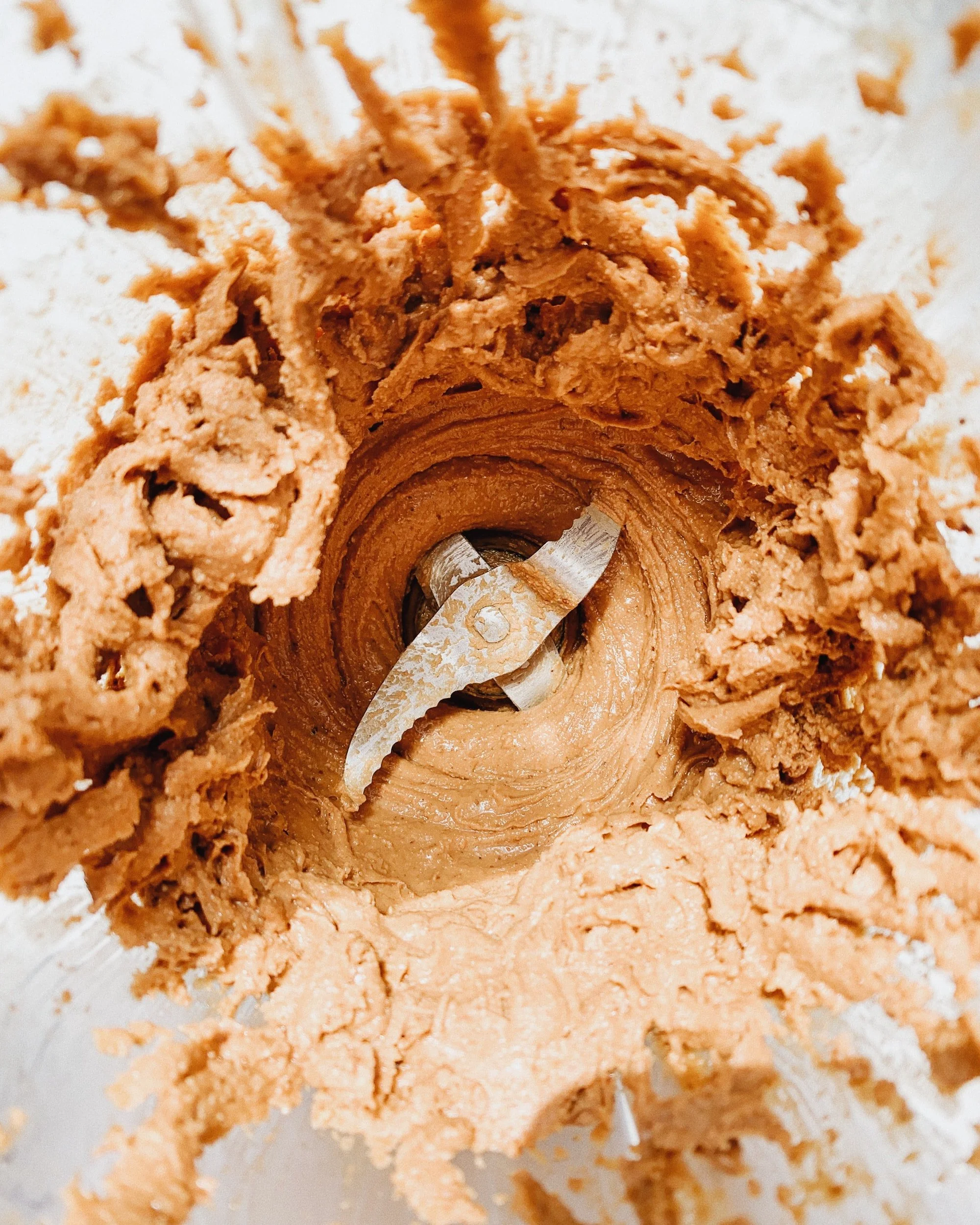
I think it’s pretty clear that all peanut butter is not created equal. Most conventional peanut butters are made using hydrogenated oils and other ingredients that have been genetically engineered.
Artificial trans fats are produced when vegetable oils are subject to extreme temperatures or pressures to solidify the fat and increase shelf life, flavor stability and palatability (FDA 2013). These modifications benefit the manufacturer but are detrimental to the consumer's health. Health experts at the Institute of Medicine recommend "that trans fatty acid consumption be as low as possible" (IOM 2005). The CDC estimates that eliminating artificial trans fats could prevent up to 20,000 heart attacks and up to 7,000 deaths each year (Dietz 2012). In 2013, the FDA made a tentative determination that trans fats from partially hydrogenated oils (the primary dietary source) should no longer be generally recognized as safe (FDA 2013). Some trans fats do occur naturally in meat and dairy products. These natural trans fats may be of lower concern; some studies have found them to be beneficial, while others have found their effects to be neutral (Chardigny 2008; Mozaffarian 2009; Wang 2013).
Scientists have not determined whether GE food poses risks to human health. Still, consumers have many good reasons to avoid eating genetically engineered ingredients, including limited safety studies, the development of "superweeds" and increased pesticide use. For more information on the topic visit: http://www.ewg.org/research/shoppers-guide-to-avoiding-ge-food Note: The presence or absence of genetically engineered ingredients or ingredients derived from GE crops does not affect a product's overall score. [ewg.org]
Let’s take a look at some of the most popular peanut butter brands on the market. Click on the brand name to read the EWG report on each product.
Skippy Peanut Butter: Roasted Peanuts, Sugar, Hydrogenated Vegetable Oils [cottonseed, soybean and rapeseed oil] to prevent separation, Salt
*Note, Skippy does have a natural variety of their peanut butter, but natural doesn’t always equate to healthy — this variety still has the same amount of sugar in it. Peanut butter does not need sugar….
Jif Peanut Butter: Peanuts, Sugar, Contains 2% or less of: Molasses, Fully Hydrogenated Vegetable Oils [Rapeseed & Soybean], Mono and Diglycerides, Salt
Justin’s Peanut Butter: Dry Roasted Peanuts, Palm oil
Santa Cruz Peanut Butter: Organic Roasted Peanuts, Organic Palm Oil, Contains 1% of less of Salt
There are some delicious natural/organic peanut butter brands out there, but you’re going to pay a good chunk of change for the convenience of having someone else make your peanut butter for you. OR, you can purchase raw, unsalted peanuts in bulk and make your own — save your health, save a lot of money. All you need is a food processor and a little patience.
My recommendation for store bough peanut butter is MaraNatha. It’s organic, creamy with a deep rich flavor, and it contains two ingredients; Roasted Peanuts & Salt. We’ve been buying this for a while now, but decided to make our own to save some money and trips to the store.
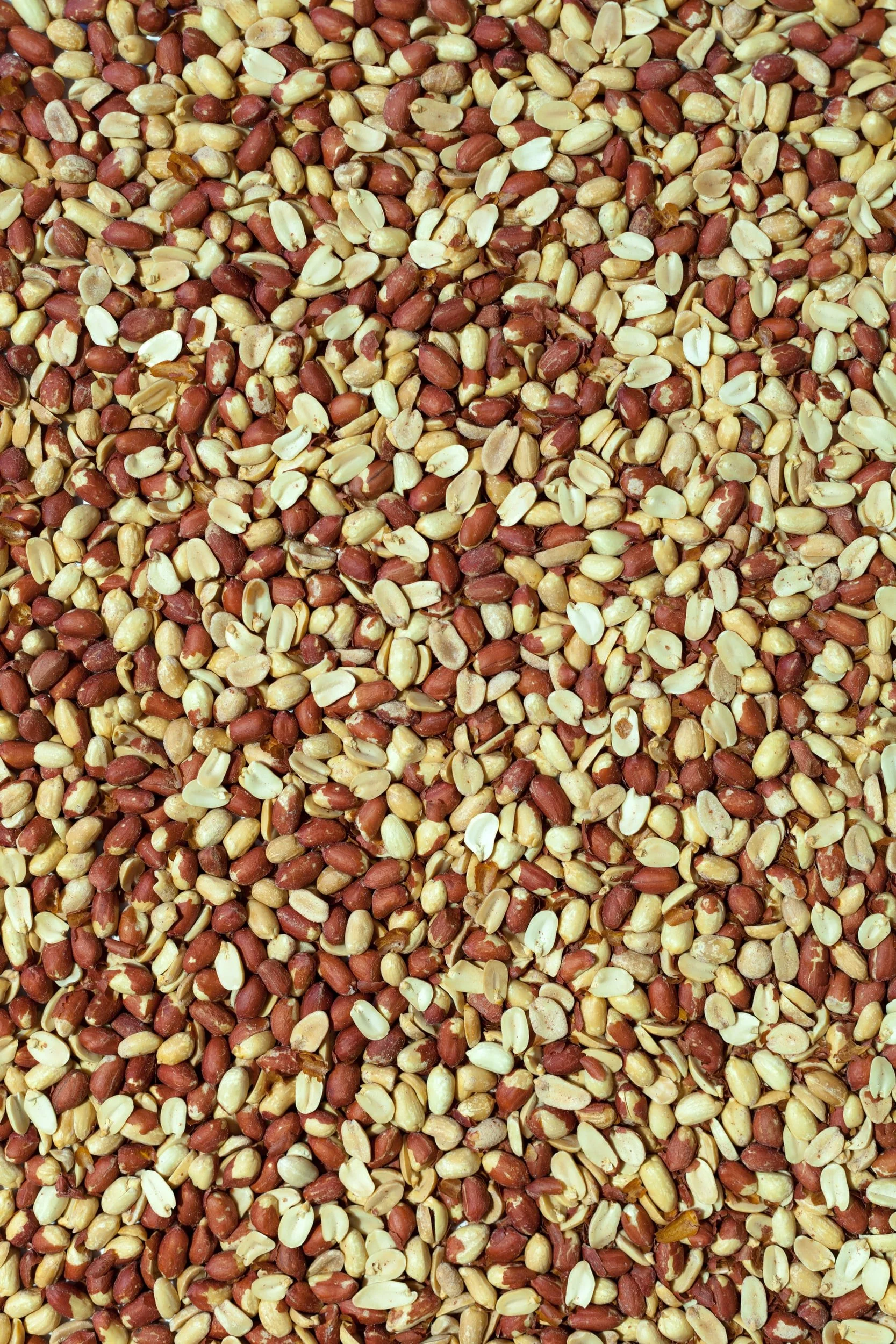
DIY Peanut Butter:
I don’t make recipes for a living, so I don’t have exact times or amounts here, but let this be a guide for you to make this as you like.
The easy way: 2 cups peanuts = ~1 cup butter
Buy raw organic peanuts in bulk from the bulk section in your local grocery store or health food store.
Dump peanuts onto a cooking sheet and bake in the oven at 300 or so until they’re roasted. You don’t want them burnt, but you want them to have some color. The kitchen air will adopt the aroma of roasted peanuts hinting at their readiness.
Once the peanuts are done, set them aside to cool for a few minutes.
Add peanuts to the food processor (I use a 6 cup capacity Cuisinart)
Pulse peanuts about 10 times
Process on low until drops of oil are visible, about 5 minutes or so
Depending on the consistency you want it, continue processing, scraping the bowl down occasionally
Once desired consistency is desired, add kosher or pink Himalayan sea salt to taste
Pulse 2-3 times to mix in the salt and adjust salt until desired taste is achieved
Scrape into mason jar with a rubber spatula, label and store!
The hard way:
Put your nuts or seeds into a large bowl
Cover the nuts or seeds with a mixture of 1-2 tablespoons sea salt per 1 quart of water. It is suggested that salt helps activate enzymes that help to break down phytate. But I was unable to find any study supporting this claim.
Soak the nuts or seeds for 7 hours or overnight
Rinse the nuts or seeds well in a strainer or colander
Dry well—a half day to a full day in a dehydrator (like this one) or in an oven set to no higher than 150 degrees Fahrenheit
Once dry, start the steps above under “The easy way”
Soaking your nuts, seeds & grains removed some of the phytic acid naturally found in these food items. Consumption of large quantities of phytic acid can pull vitamins and minerals from the body, leaving you depleted! Read more about this here: https://www.healthyandnaturalworld.com/why-you-need-to-soak-nuts-and-seeds/
Enjoy your fresh AF peanut butter :)
Transitioning To A More Natural Lifestyle
Tired of finding out about synthetic chemicals in your favorite products? Don’t like the idea of taking over the counter drugs anymore? Want to make changes to your lifestyle but aren’t quite sure how?
Hear me out.
Tired of finding out about synthetic chemicals in your favorite products? Don’t like the idea of taking over the counter drugs anymore? Want to make changes to your lifestyle but aren’t quite sure how?
Hear me out. Making a lifestyle change takes work and dedication. It can also become overwhelming due to the abundance of clashing information on the internet. It’s ultimately up to you to determine what works best for your body. But here is a good place to start. I’ll be posting some blogs in the coming months that outline some changes you can adopt to start living a cleaner life. However, don’t just trust what I’m saying as the right way.
Do your own research.
The first step towards making a change is action. Start by evaluating your life: what you put in your body, what you put on your body, the cookware you use, toothpaste you brush with, chemicals you clean with, etc… Pick one area you want to start with and begin swapping out what you have with cleaner alternatives.
If you make small changes toward your goal every day, or every month, you’re going to look back after a certain period of time and see how far you’ve come. This type of lifestyle change is extremely rewarding. You deserve to live toxin free, to eat food and use products that don’t contain unnecessary chemicals, pesticides, fillers, flavors, colorings, fragrances, etc.
The trick is to start slow and continually make small changes that will make a drastic difference in the long run.
You can do this. You want to do this. And you’ll be so happy once you do.
Now of course everyone is different, our priorities vary, our drive varies and our timelines vary — that’s ok. So you broke down and ate a Snickers bar instead of an organic brand with less crap in it…. Own it, move on, and make a better decision next time.
This is your journey, there will be ups and downs.
The time will come when you’ve removed yourself from food and products containing harmful chemicals and additives for a certain period of time. You’ll wander back to old faithful and buy yourself that Snickers again only to realize how disgusting it actually tastes. The fake flavoring, fake chocolate taste, not to mention wondering how many ounces of cockroach carcass you just ate….. you’ll be running back to the organic dark chocolate brand, trust me. I’ve been there.
Did you know that per the FDA there has to be a certain amount of bugs or bug parts, rodent hair, fecal matter, etc, in your food before it's deemed unsafe? So that beloved Snickers bar can legally contain 30 or more insect parts and a lovely dash of rodent hair. Eat up!
Also, did you know that the FDA allows harmful chemical additives and pesticides in your food that are and have been banned in other countries such as Europe? Follow The Food Babe for more information on this.
Potassium bromate and azodicarbonamide (ADA): These additives are commonly added to baked goods, but neither is required, and both are banned in Europe because they may cause cancer. (https://www.cornucopia.org/2019/01/additives-banned-europe/)
There’s a lot go look out for these days. You can’t simply trust a government agency to look out for your best interests or health. The FDA is incredibly corrupt, as is the CDC, the WHO, and Big Pharma to name a few.
My hope is that through these blog posts, I empower you to take action and start looking into the items you consume on a regular basis rather than blindly consuming what is marketed toward you.
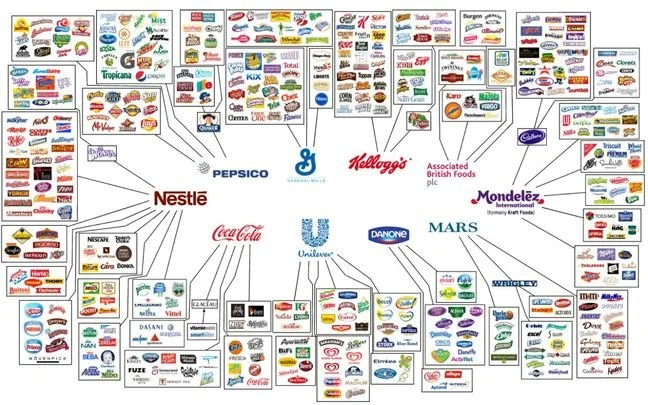
There are thousands of brands out there, but they’re all owned by a handful. Small independent companies that have values are being bought out at an alarming rate. Even some formerly trusted organic companies are now sell outs to the corporate monster, for example, Annie’s Organics is now owned by General Mills, Tom’s of Maine is owned by Colgate. And it’s not just the food industry. Cosmetic companies, supplement companies, the media… Time to wake up and start learning what the world is really about.
It’s all about money, folks. Money and power.
So vote with your money. Support your local herbalist, baker, seamstress, farmer, maker, food truck… Keep it small and keep it local.
The information I provide on my blog is based on my opinion, what has worked and works for me. I am sharing this with you to give you a path to walk down. Your opinions and choices may vary depending on what you research and learn. I am always open to new information and others opinions. If you have something you’d like to discuss shoot me an email at kimberly@modern-herbal.com or DM me on instagram @_modernherbal_