
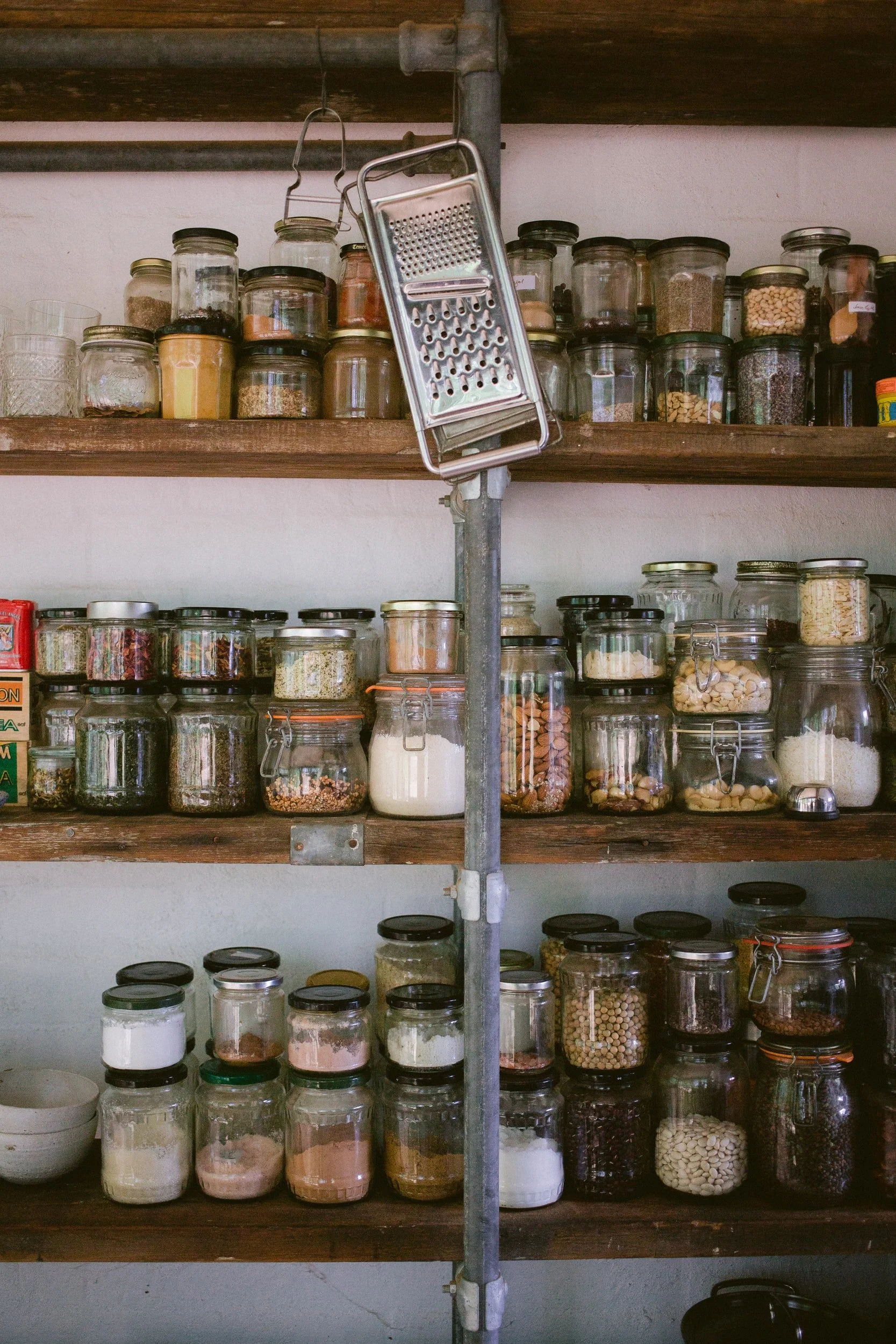
Pantry Items: Make Your Own Peanut Butter
I think it’s pretty clear that all peanut butter is not created equal. Most conventional peanut butters are made using hydrogenated oils and other ingredients that have been genetically engineered.
Learn to make your own peanut butter with limited ingredients!
Over the past few years, we’ve been trying to buy in bulk as much as possible and make our own items. By making our own items such as oat milk, peanut butter, aioli, we can control what’s in the product, leaving you with the cleanest ingredients. I know we don’t all have the luxury of making all items from scratch all the time, but you can start small. Once you start, you’ll feel empowered to keep going. Before you know it, two years will have passed and you’ll be making your own pasta at dinner time!
Listed below are some items we started making at home, and loose recipes that we follow. I will be adding to this continually, so please be sure to check back.
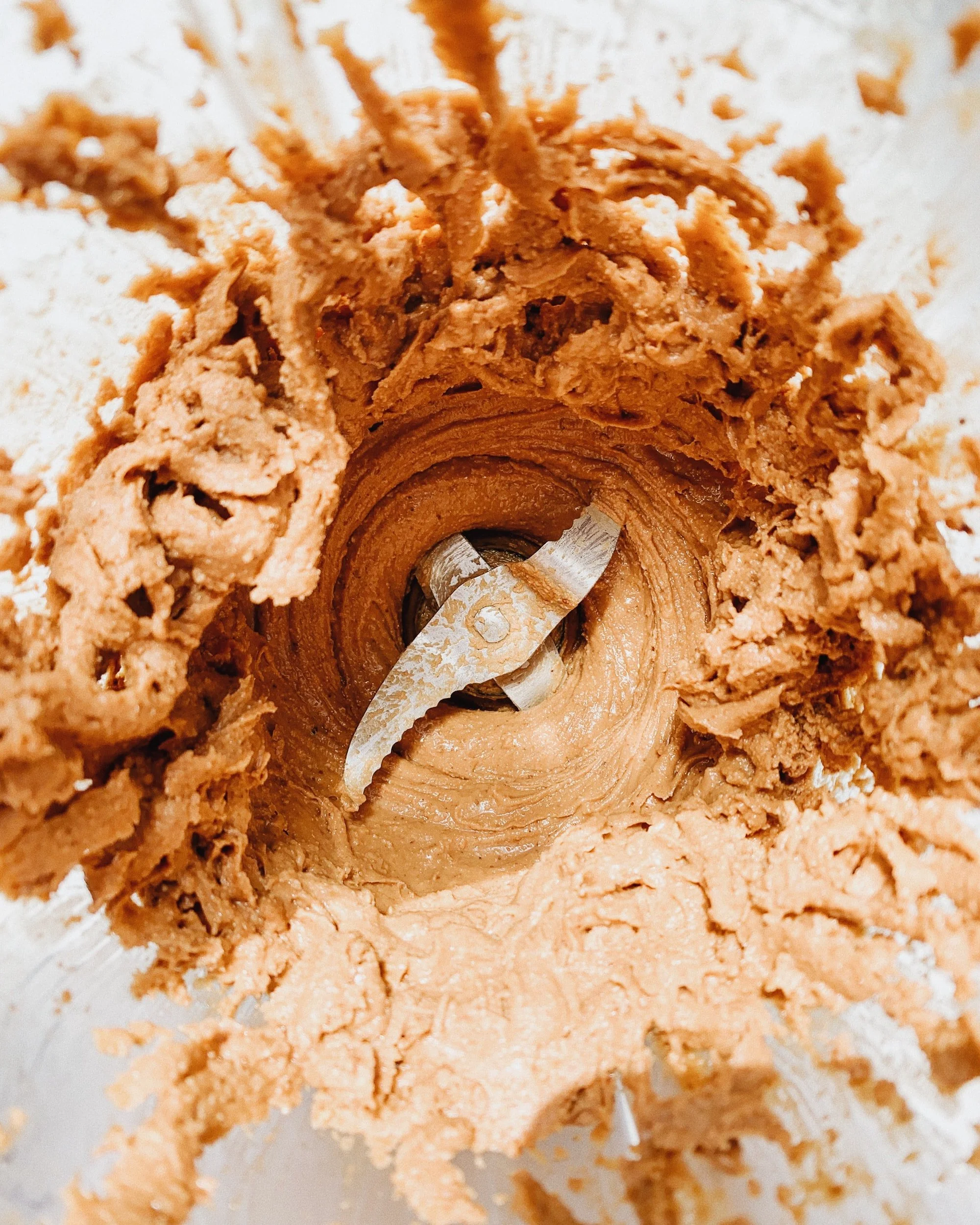
I think it’s pretty clear that all peanut butter is not created equal. Most conventional peanut butters are made using hydrogenated oils and other ingredients that have been genetically engineered.
Artificial trans fats are produced when vegetable oils are subject to extreme temperatures or pressures to solidify the fat and increase shelf life, flavor stability and palatability (FDA 2013). These modifications benefit the manufacturer but are detrimental to the consumer's health. Health experts at the Institute of Medicine recommend "that trans fatty acid consumption be as low as possible" (IOM 2005). The CDC estimates that eliminating artificial trans fats could prevent up to 20,000 heart attacks and up to 7,000 deaths each year (Dietz 2012). In 2013, the FDA made a tentative determination that trans fats from partially hydrogenated oils (the primary dietary source) should no longer be generally recognized as safe (FDA 2013). Some trans fats do occur naturally in meat and dairy products. These natural trans fats may be of lower concern; some studies have found them to be beneficial, while others have found their effects to be neutral (Chardigny 2008; Mozaffarian 2009; Wang 2013).
Scientists have not determined whether GE food poses risks to human health. Still, consumers have many good reasons to avoid eating genetically engineered ingredients, including limited safety studies, the development of "superweeds" and increased pesticide use. For more information on the topic visit: http://www.ewg.org/research/shoppers-guide-to-avoiding-ge-food Note: The presence or absence of genetically engineered ingredients or ingredients derived from GE crops does not affect a product's overall score. [ewg.org]
Let’s take a look at some of the most popular peanut butter brands on the market. Click on the brand name to read the EWG report on each product.
Skippy Peanut Butter: Roasted Peanuts, Sugar, Hydrogenated Vegetable Oils [cottonseed, soybean and rapeseed oil] to prevent separation, Salt
*Note, Skippy does have a natural variety of their peanut butter, but natural doesn’t always equate to healthy — this variety still has the same amount of sugar in it. Peanut butter does not need sugar….
Jif Peanut Butter: Peanuts, Sugar, Contains 2% or less of: Molasses, Fully Hydrogenated Vegetable Oils [Rapeseed & Soybean], Mono and Diglycerides, Salt
Justin’s Peanut Butter: Dry Roasted Peanuts, Palm oil
Santa Cruz Peanut Butter: Organic Roasted Peanuts, Organic Palm Oil, Contains 1% of less of Salt
There are some delicious natural/organic peanut butter brands out there, but you’re going to pay a good chunk of change for the convenience of having someone else make your peanut butter for you. OR, you can purchase raw, unsalted peanuts in bulk and make your own — save your health, save a lot of money. All you need is a food processor and a little patience.
My recommendation for store bough peanut butter is MaraNatha. It’s organic, creamy with a deep rich flavor, and it contains two ingredients; Roasted Peanuts & Salt. We’ve been buying this for a while now, but decided to make our own to save some money and trips to the store.
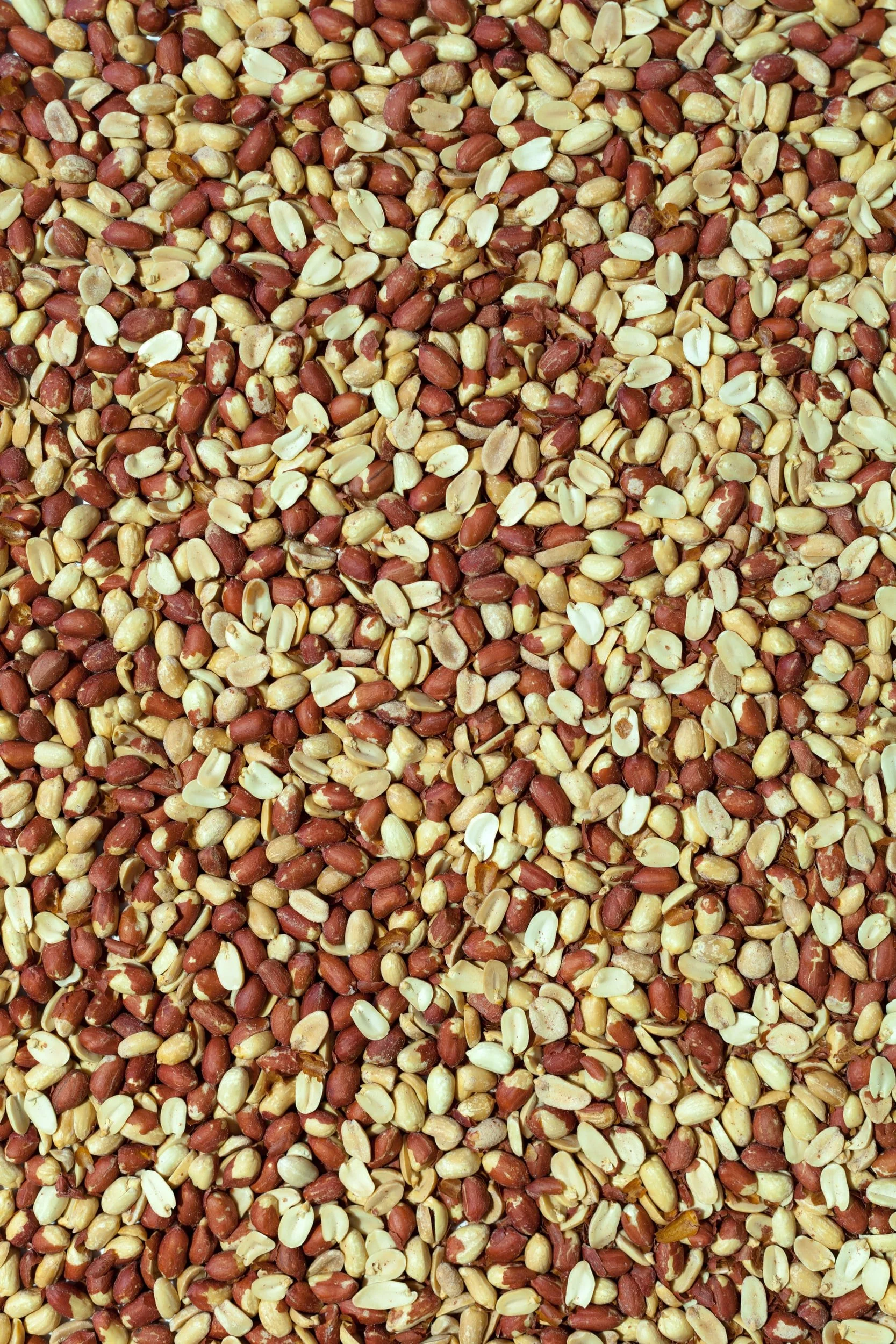
DIY Peanut Butter:
I don’t make recipes for a living, so I don’t have exact times or amounts here, but let this be a guide for you to make this as you like.
The easy way: 2 cups peanuts = ~1 cup butter
Buy raw organic peanuts in bulk from the bulk section in your local grocery store or health food store.
Dump peanuts onto a cooking sheet and bake in the oven at 300 or so until they’re roasted. You don’t want them burnt, but you want them to have some color. The kitchen air will adopt the aroma of roasted peanuts hinting at their readiness.
Once the peanuts are done, set them aside to cool for a few minutes.
Add peanuts to the food processor (I use a 6 cup capacity Cuisinart)
Pulse peanuts about 10 times
Process on low until drops of oil are visible, about 5 minutes or so
Depending on the consistency you want it, continue processing, scraping the bowl down occasionally
Once desired consistency is desired, add kosher or pink Himalayan sea salt to taste
Pulse 2-3 times to mix in the salt and adjust salt until desired taste is achieved
Scrape into mason jar with a rubber spatula, label and store!
The hard way:
Put your nuts or seeds into a large bowl
Cover the nuts or seeds with a mixture of 1-2 tablespoons sea salt per 1 quart of water. It is suggested that salt helps activate enzymes that help to break down phytate. But I was unable to find any study supporting this claim.
Soak the nuts or seeds for 7 hours or overnight
Rinse the nuts or seeds well in a strainer or colander
Dry well—a half day to a full day in a dehydrator (like this one) or in an oven set to no higher than 150 degrees Fahrenheit
Once dry, start the steps above under “The easy way”
Soaking your nuts, seeds & grains removed some of the phytic acid naturally found in these food items. Consumption of large quantities of phytic acid can pull vitamins and minerals from the body, leaving you depleted! Read more about this here: https://www.healthyandnaturalworld.com/why-you-need-to-soak-nuts-and-seeds/
Enjoy your fresh AF peanut butter :)
Are You Using Chemicals To Clean Your Home?
We are surrounded by chemicals, toxins, endocrine disruptors, respiratory irritants, carcinogens, you name it. The last thing you want to do is to contaminate your working and living space with them under the guise of cleaning.
Learn to make your own cleaning products with clean, simple ingredients.
We are surrounded by chemicals, toxins, endocrine disruptors, respiratory irritants, carcinogens, you name it. The last thing you want to do is to contaminate your working and living space with them under the guise of cleaning.
Cleaners do not need to be toxic. Sure, there will be times when maybe you need something extra strength because vinegar and baking soda isn’t cutting it, or your cat just threw up a chipmunk in the house and you’re completely grossed out by cleaning that spot with peroxide (I may be speaking from experience on this one). That’s fine. But more often than not, you’re just cleaning applesauce off the kitchen table, or chicken stock from the counter, this doesn’t require bleach or extra strength all purpose cleaners.
As we’ve “advanced” in our society, most have become germaphobes. Not every living organism needs to be wiped off the face of the Earth. You don’t need to nuke your kitchen counters on a daily basis. Some microorganisms are beneficial, if not necessary for optimal health.
Case in point, YOU. You’re loaded with bacteria, good and bad. Your health depends on bacteria, LIFE depends on bacteria. So let’s stop nuking everything and creating chemicals clouds in our homes and workspaces. You can still have a sparkling clean, fresh smelling home without the use of conventional cleaning products created and marketed by people who don’t care about you. Sorry, but that’s the honest truth. They just want to sell you their product. If Proctor and Gamble really cared about you, they wouldn’t add endocrine disrupting, carcinogenic chemicals into their air fresheners.
Let’s carry on.
HOUSEHOLD CLEANERS:
You’ve read through the introduction, now it’s time to get to the details. Let’s start with a healthy home.
Everywhere we turn there are hidden synthetic chemicals & toxins in products, even the ones carefully marketed and “health washed” as natural. Long term exposure to these synthetic chemicals are responsible for issues such as hormone imbalances, fertility issues, respiratory distress, neurological disorders. As a collective whole, we need to stop supporting companies who are knowingly putting toxins in their products to save a minuscule amount of money.
You deserve to clean your home without breathing in or absorbing toxins.
LET’S START WITH ALL-PURPOSE CLEANERS
We all know this is the go-to spray bottle for everyday clean ups;
Toddler spilled their bowl of frozen blueberries on the floor? All-Purpose Cleaner to the rescue.
Wiping down the counters after baking some bread? APC to the rescue.
Spilled your cocktail? APC to the rescue.
You get the point.
Below are a few top cleaning brands and their listed ingredients. Do you know what all these are? Take a look, click on the links to see the EWG’s report on these beloved brands.
Simple Green: Water, C9-11 Alcohols Ethoxylated, Sodium Citrate, Sodium Carbonate, Tetrasodium Glutamate Diacetate, Citric Acid, Methylchloroisothiazolinone, Methylisothiazolinone, Fragrance, Liquitint Colorant
Lysol Disinfecting Wipes: Alkyl (50% C14, 40% C12, 10% C16) dimethyl benzyl ammonium chloride, Water, Ethanol, C9-11 Alkyl Glucoside Propylene Glycol Butyl Ether Ethanolamine, Fragrance/Parfum
Mr. Clean Multi Surface Cleaning Spray: Water, C10-16 Alkyldimethylamine Oxide, C9-11 Pareth, Carboxymethyl Inulin, Sodium C10-16 Alkylbenzenesulfonate, Sodium Carbonate , Sodium Citrate, Benzisothiazolinone, Perfume, Polyoxyalkylene Substituted Chromophore (Cyan), Polyoxyalkylene Substituted Chromophore (Yellow)
Mrs. Meyers Multi Surface Cleaning Spray: Water; Decyl Glucoside; Fragrance; (Butylphenyl Methylpropional, Cinnamyl Alcohol, Citronellol, Geraniol, Hexyl Cinnamal, Limonene, Linalool); Citrus Aurantium Dulcis (Orange) Peel Oil ; Cananga Odorata (Ylang Ylang) Flower Oil ; ethylene brassylate; linalool; gamma-undecalactone; geraniol; cinnamyl alcohol; 3a,4,5,6,7,7a-hexahydro-4,7-methanoinden-6-yl acetate; hexyl acetate; benzyl acetate; phenethyl alcohol; cyclamen aldehyde; butylphenyl methylpropional; phenethyl salicylate; amyl salicylate; 2-t-butylcyclohexyl acetate; methyldihydrojasmonate; allyl heptanoate; hexyl cinnamal; citrus aurantium dulcis (orange) peel oil; 2-phenoxyethyl isobutyrate; dipropylene glycol; Lonicera Japonica (Honeysuckle) Flower Extract; Lauryl Glucoside; Sodium Citrate; Sodium Methyl 2-Sulfolaurate; Citric Acid; Capryleth-4; Tetrasodium Glutamate Diacetate; Methylisothiazolinone; Benzisothiazolinone
How do you feel after reading the ingredients and seeing the EWG’s report on these products? Concerns for cancer, digestive damage, allergies, respiratory effects, cancer, developmental/endocrine/reproductive effects, damage to DNA, respiratory effects, general systemic/organ effects, nervous system effects, skin irritation/allergies/damage, damage to vision.
I don’t know about you, but you won’t find any of these products in my house. This is where cancel culture needs to step in — cancel the synthetic chemicals!! Products such as the above and the like have been banned in my house for at least the past 5 years. 5 years ago, however I still thought Mrs. Meyer was ok, but take a look at that long list of unpronounceables…..
When you’re reading through the ingredients, you’re most likely thinking that all the ingredients are there, listed out for the consumer to see, that’s not the case however. The word "fragrance" or "parfum" on the product label represents an undisclosed mixture of various scent chemicals and ingredients used as fragrance dispersants such as diethyl phthalate. [ewg.org]
Fragrances have been linked to a staggering number of health risks including, but not limited to; allergens, hormone disruptors, asthma triggers, neurotoxins & carcinogens. The punchline: fragrances are highly toxic. Most contain phthalates, which have been linked to cancer, human reproductive and developmental toxicity, endocrine disruption, birth defects & respiratory problems.
So the question is why are manufactures not responsible for putting these chemicals on their product labels?
Why are they not held liable for pushing out toxic products under the guise of safe cleaning products?
Why are people still supporting these companies by purchasing their products?
It’s time to stop.
SOLUTION:
We’re all in a different place in our lives, some people are able to spend a few minutes each week making their own products, other people want nothing to do with that and would rather purchase from a store, and that’s ok. This guide is here to help you know what brands to purchase from and which ones to steer clear from. Most of the well known brands are no-no’s…. Sorry, walk down any cleaning aisle in your local Target, Walmart, Hannaford, etc and just keep on walking. The smell of that aisle should give it away. However, if you’re in those stores, stock up on some baking soda and white distilled vinegar — those will come in handy for cleaning your home, you may want to get some bulk peroxide as well. More to come on this after the brands that actually care about your well being.
Here are some companies that create quality, naturally based All-Purpose Cleaners without harmful chemicals:
Meliora All Purpose Cleaning Spray: Potassium Cocoate, Sodium Cocoate, Glycerin, Organic Cocos Nucifera (Coconut) Oil, Water
All of their products are as clean and simple as can be. I cannot recommend them enough. You can purchase the refill solution for a minimal cost as well as the glass bottle to store the cleaner in. Not only are you saving your system from synthetic chemicals, but you’re ridding plastic from your home. It’s a win win! I highly recommend this company for laundry detergent as well. Also note, when I first purchased from this company, I only bought the unscented products. I am sensitive to fragrances. However, the last purchase I made, I decided to try the lemon scented laundry detergent and was happily surprised with the outcome. The fragrance is from essential oils and it is subtle. No overwhelming, in your face scents here — phew!
Use this link above for $5 off your first purchase.
I honesty haven’t found many other products in this category that I can stand firmly behind. There are other clean brands out there such as Seventh Generation, Eos, Better Life, etc, but this Meliora is the cleanest one I’ve found aside from making my own.
Which brings me to the second best option
DIY ALL-PURPOSE CLEANER
There are a few varieties of cleaner you can make. To start, you’re going to need a reusable spray bottle. You can repurpose an old spray bottle, buy a plastic one from your local Walmart/Target or purchase a nice glass spray bottle. My preference is always glass, but of course you have to be careful of dropping and breaking it. If you use an old bottle, be sure the previous cleaner has been throughly cleaned out & aired out. As for buying a new plastic one, that’s fine as well, but you’re bringing plastic into your home, aaaaaand you have to worry about BPA and other toxins in the plastic. Ok, just use the glass spray bottles — you can buy them here on Amazon.
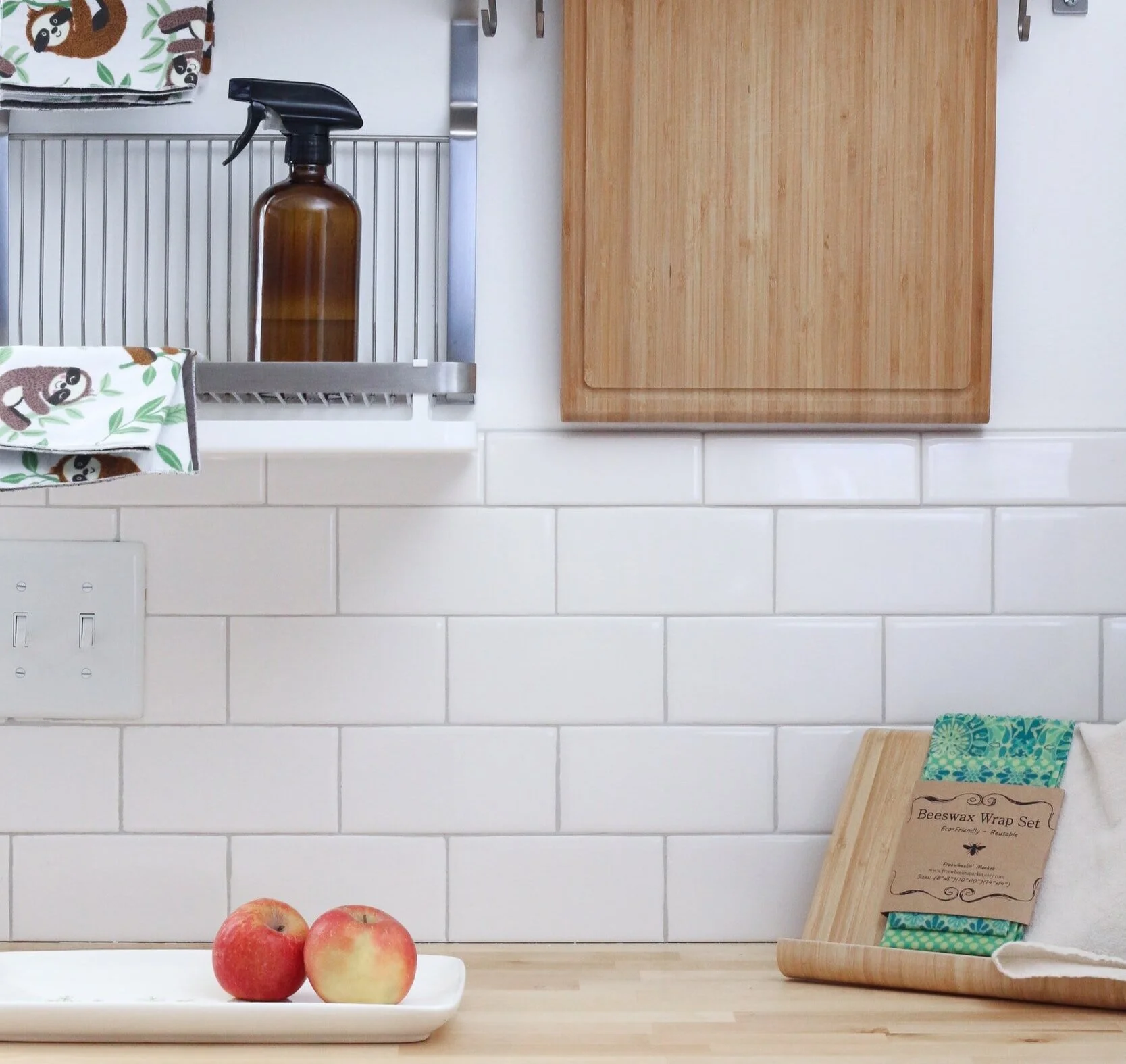
The Down & Dirty Cleaning Spray:
For those times you’ve run out and need something fast. [due to natural acetic acid in the vinegar, this spray is not recommended to spray on natural stone, tile grout, or wood.]
Ingredients: Water, Vinegar, Essential oil of choice
2 cups water
White Distilled Vinegar
20 drops essential oil of choice [amount may vary depending on your scent preference, and essential oil.]
Essential oil recommendations;
Lemon
Lemon & Thyme
Tea Tree
Sweet Orange & Cinnamon
Peppermint [also keeps ants and spiders away]
(also feel free to play with combinations of oils.)
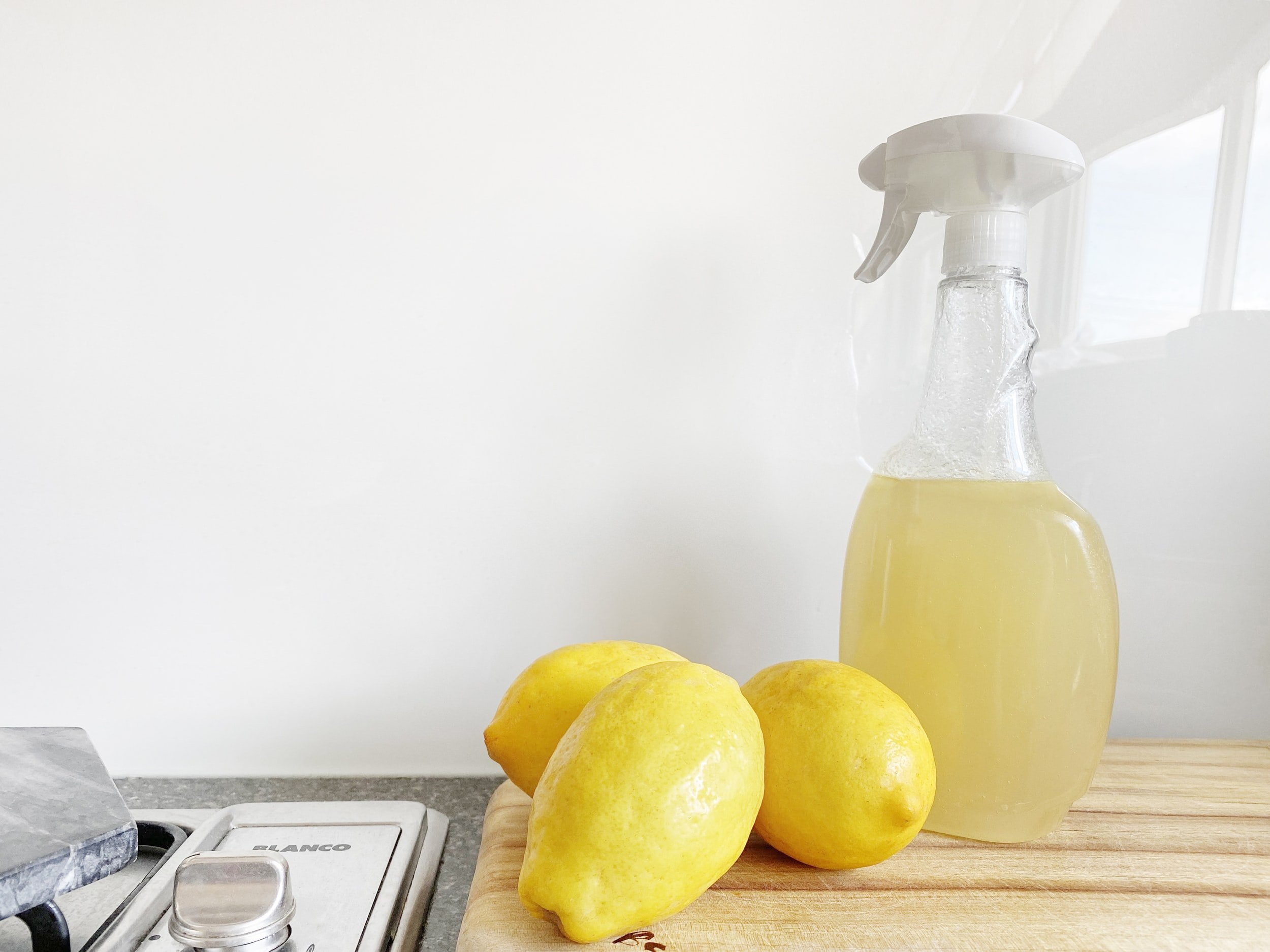
Blast of Citrus Cleaning Spray:
This formula takes a bit more time to create, so be sure to start a new batch when you’re beginning to run low to avoid a gap in cleaning spray. [due to natural acetic acid in the vinegar, this spray is not recommended to spray on natural stone, tile grout, or wood.]
Ingredients: Water, Vinegar, Fresh Lemon Peel or Orange Peel — whatever citrus you’d like to use [lime, grapefruit, lemon, lime, mandarine, your choice, OR mix them all]
2 cups water
White Distilled Vinegar
20 drops essential oil of choice [amount may vary depending on your scent preference, and essential oil.]
Essential oil recommendations;
Lemon
Lemon & Thyme
Tea Tree
Sweet Orange & Cinnamon
Peppermint [also keeps ants and spiders away]
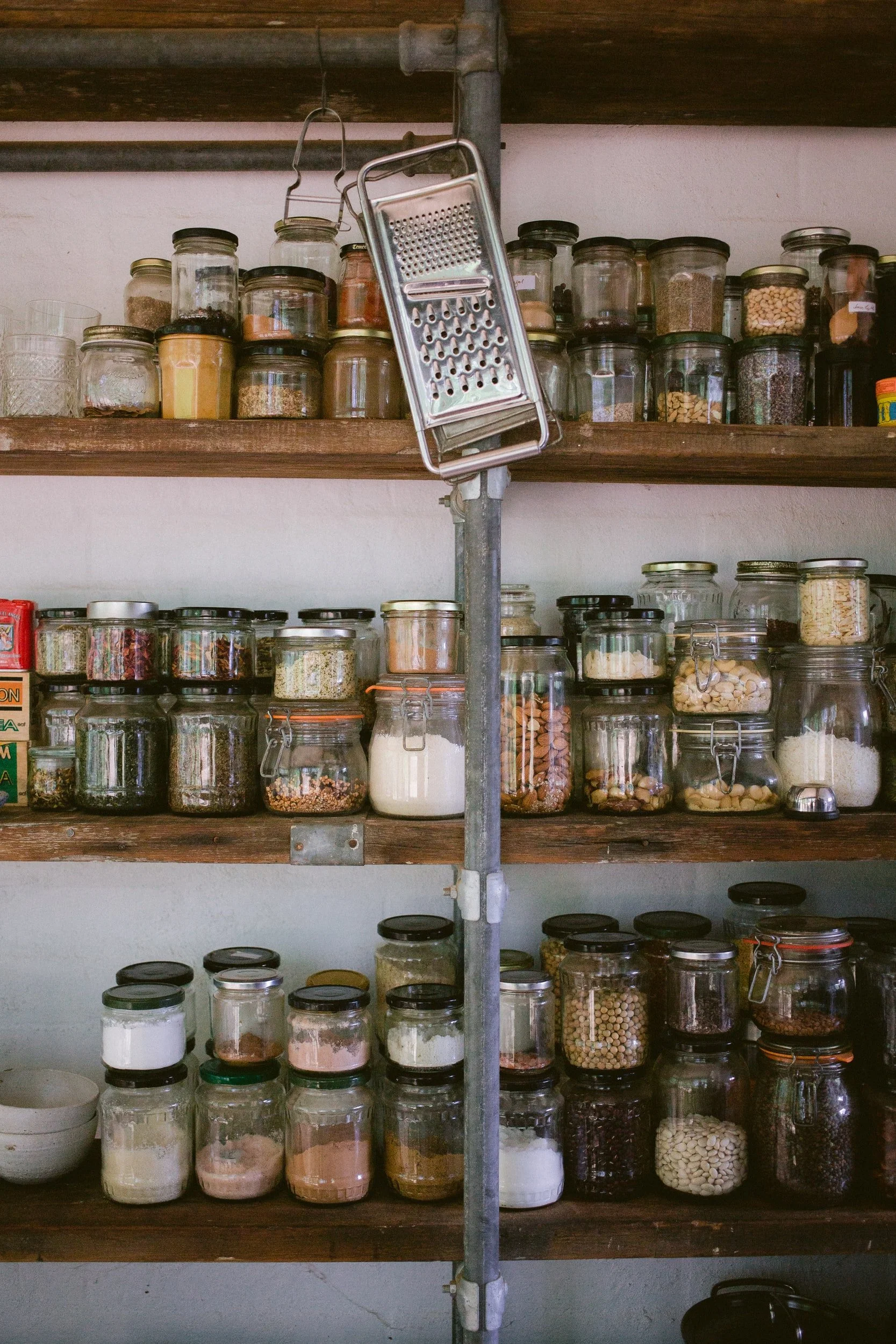
DIY Natural Softscrub:
Softscrub isn’t the cleanest cleaning product around. Used for mainly dirty surfaces, this product can easily be made at home, using toxin free ingredients. You can use this on many surfaces, counters, floors, tile, grout, pots and pans, stubborn schmutz, etc. Take a look at these Softscrub ingredients; Water, Calcium Carbonate, Sodium Dodecylbenzenesulfonate, Alcohol Ethoxylate, Sodium Chloride, Sodium Hydroxide, Sodium Bicarbonate, Fragrance, Preservative, D-Limonene, Linalool.
Make your own — save your health and money.
INGREDIENTS: Baking Soda, Castile Soap, Coarse Salt, Lemon juice or about 10 drops of Lemon essential oil
Depending on what you’re looking to clean - a large area or small, pour 1/2 a cup of baking soda into a bowl, add Castile soap until a thick paste is formed, sprinkle in about 1 tablespoon of coarse salt then add lemon juice or essential oil. Mix together.
Apply the mixture to your surface [bath tub, sink, burnt pan, paint on the table from the kids arts & crafts time, etc….]. If it’s a large area rub it down gently to disperse the mixture over the whole space.
Let the mixture sit for a few minutes before scrubbing and rinsing.
Admire your clean, sparkling surface.
As always, what’s listed on here is my opinion and things that have worked for me in my household. If they don’t work for you, I implore you to figure out something that does.

Transitioning To A More Natural Lifestyle
Tired of finding out about synthetic chemicals in your favorite products? Don’t like the idea of taking over the counter drugs anymore? Want to make changes to your lifestyle but aren’t quite sure how?
Hear me out.
Tired of finding out about synthetic chemicals in your favorite products? Don’t like the idea of taking over the counter drugs anymore? Want to make changes to your lifestyle but aren’t quite sure how?
Hear me out. Making a lifestyle change takes work and dedication. It can also become overwhelming due to the abundance of clashing information on the internet. It’s ultimately up to you to determine what works best for your body. But here is a good place to start. I’ll be posting some blogs in the coming months that outline some changes you can adopt to start living a cleaner life. However, don’t just trust what I’m saying as the right way.
Do your own research.
The first step towards making a change is action. Start by evaluating your life: what you put in your body, what you put on your body, the cookware you use, toothpaste you brush with, chemicals you clean with, etc… Pick one area you want to start with and begin swapping out what you have with cleaner alternatives.
If you make small changes toward your goal every day, or every month, you’re going to look back after a certain period of time and see how far you’ve come. This type of lifestyle change is extremely rewarding. You deserve to live toxin free, to eat food and use products that don’t contain unnecessary chemicals, pesticides, fillers, flavors, colorings, fragrances, etc.
The trick is to start slow and continually make small changes that will make a drastic difference in the long run.
You can do this. You want to do this. And you’ll be so happy once you do.
Now of course everyone is different, our priorities vary, our drive varies and our timelines vary — that’s ok. So you broke down and ate a Snickers bar instead of an organic brand with less crap in it…. Own it, move on, and make a better decision next time.
This is your journey, there will be ups and downs.
The time will come when you’ve removed yourself from food and products containing harmful chemicals and additives for a certain period of time. You’ll wander back to old faithful and buy yourself that Snickers again only to realize how disgusting it actually tastes. The fake flavoring, fake chocolate taste, not to mention wondering how many ounces of cockroach carcass you just ate….. you’ll be running back to the organic dark chocolate brand, trust me. I’ve been there.
Did you know that per the FDA there has to be a certain amount of bugs or bug parts, rodent hair, fecal matter, etc, in your food before it's deemed unsafe? So that beloved Snickers bar can legally contain 30 or more insect parts and a lovely dash of rodent hair. Eat up!
Also, did you know that the FDA allows harmful chemical additives and pesticides in your food that are and have been banned in other countries such as Europe? Follow The Food Babe for more information on this.
Potassium bromate and azodicarbonamide (ADA): These additives are commonly added to baked goods, but neither is required, and both are banned in Europe because they may cause cancer. (https://www.cornucopia.org/2019/01/additives-banned-europe/)
There’s a lot go look out for these days. You can’t simply trust a government agency to look out for your best interests or health. The FDA is incredibly corrupt, as is the CDC, the WHO, and Big Pharma to name a few.
My hope is that through these blog posts, I empower you to take action and start looking into the items you consume on a regular basis rather than blindly consuming what is marketed toward you.
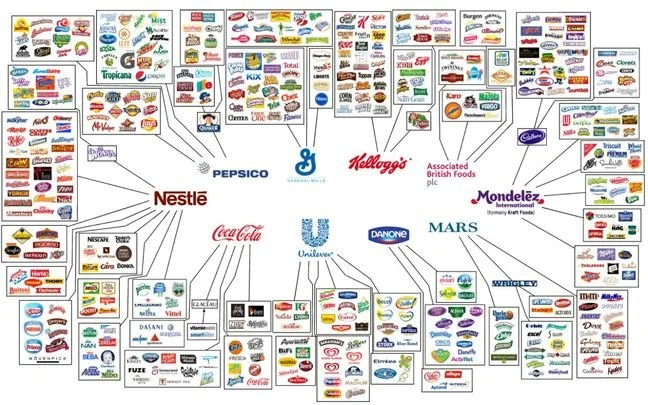
There are thousands of brands out there, but they’re all owned by a handful. Small independent companies that have values are being bought out at an alarming rate. Even some formerly trusted organic companies are now sell outs to the corporate monster, for example, Annie’s Organics is now owned by General Mills, Tom’s of Maine is owned by Colgate. And it’s not just the food industry. Cosmetic companies, supplement companies, the media… Time to wake up and start learning what the world is really about.
It’s all about money, folks. Money and power.
So vote with your money. Support your local herbalist, baker, seamstress, farmer, maker, food truck… Keep it small and keep it local.
The information I provide on my blog is based on my opinion, what has worked and works for me. I am sharing this with you to give you a path to walk down. Your opinions and choices may vary depending on what you research and learn. I am always open to new information and others opinions. If you have something you’d like to discuss shoot me an email at kimberly@modern-herbal.com or DM me on instagram @_modernherbal_